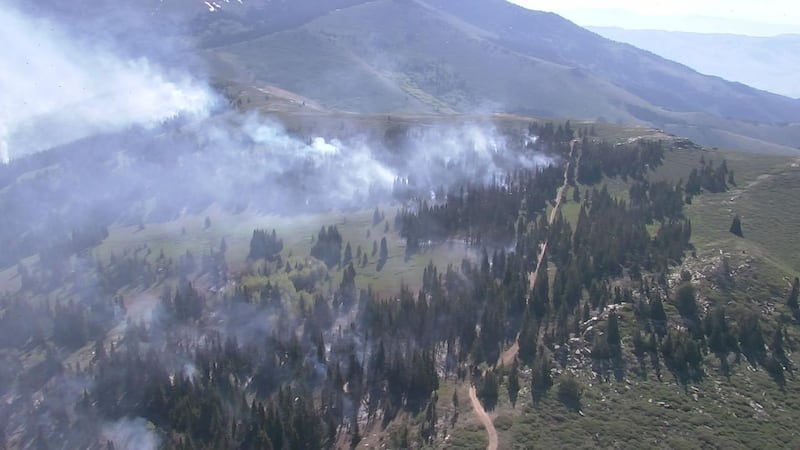
BLM talks about 2018 fire season; effects on wildlife

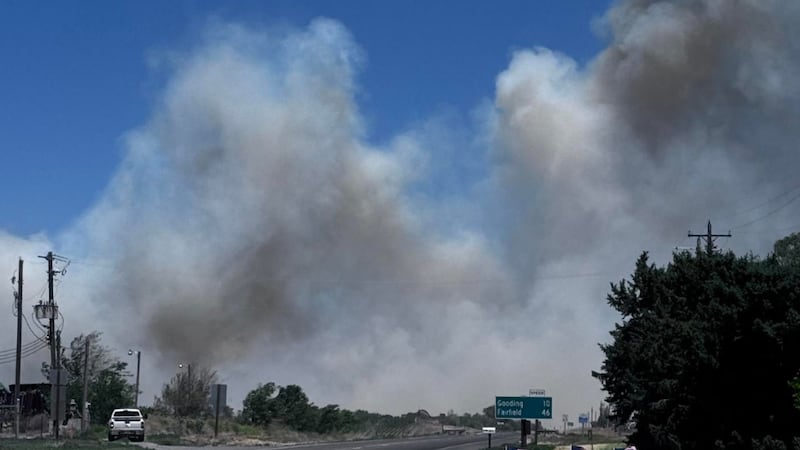
2018 was a record breaking year according to the Bureau of Land Management.
Matthew James, the Acting Assistant Tanker Base Manager, said they did more than 900 flights to help fight fires.
“In the 2018 fire season, we did 956 separate flights out of Twin to fires. Last year we supported fires in Utah, Nevada, we sent a couple loads of retardant to Montana, we supporting fires in Wyoming late last year, and I think we've even sent some retardant loads to Oregon last year,” James explained.
In total, they sent out more than 1.5 million gallons of retardant, even deploying 124,000 gallons in one day.
But with those records, comes the after effects.
KMVT talked with wildlife biologist Charles Sandford with the US Fish and Wildlife Department to see how fires effect wildlife.
“What you don't see all the wildlife that got displaced. Whether it's birds, deer, elk, they get pushed somewhere. And so that impacts the local communities if they're pushed into town, or, you know, it pushes other wildlife closer together on the outskirts of the fire,” Sandford explained.
Sanford also said it takes years to recover.
“A lot of the time when we have these fires, in the sagebrush rangelands, we lose hundreds of thousands of acres a year. And sagebrush is a really slow growing plant, and so to get that habitat back, can take, you know, on the order of decades,” Sanford explained.